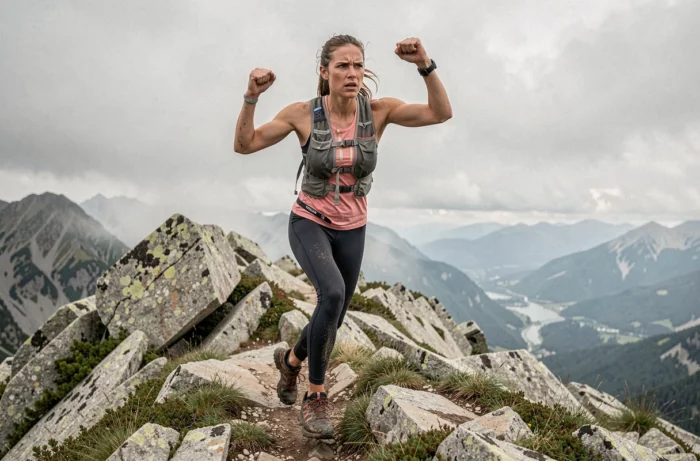
The 2026 edition of the UTMB illustrates a shift that many participants feel without always naming it: ultra sports are moving from a culture of total freedom in the mountains to an increasingly structured framework, where biodiversity, anti-doping, and coexistence with local populations are redefining the rules of the game.
Mandatory red light in ultra-trail: when equipment also protects wildlife
Have you ever run at night with a bright white headlamp at full power? The white light disturbs nocturnal wildlife, particularly birds and insects. It is from this observation that the UTMB 2026 introduced an unprecedented rule: the obligation to run with red lighting in certain night sections.
In practical terms, each runner must have a headlamp equipped with a red light mode. Petzl, a historic partner of the event, even communicated in July 2026 about its models compatible with this requirement. The goal is not to complicate the race. It is to reduce the light footprint on trails that cross sensitive areas.
This type of constraint was unthinkable five years ago. Today, organizers believe that equipment rules must also serve biodiversity, not just the safety of the runner. This change in philosophy affects all gear: we can expect other brands like Hoka, Nike, or Salomon to adapt their trail ranges accordingly.
To follow the latest news on Ultra Sport, this regulatory shift deserves special attention, as it signals similar developments in other races in France and Europe.
Expanded anti-doping on the UTMB 2026: a control that affects all runners
Until recently, anti-doping controls in ultra-trail primarily targeted elite runners. The 2026 edition of the UTMB marks a clear break.
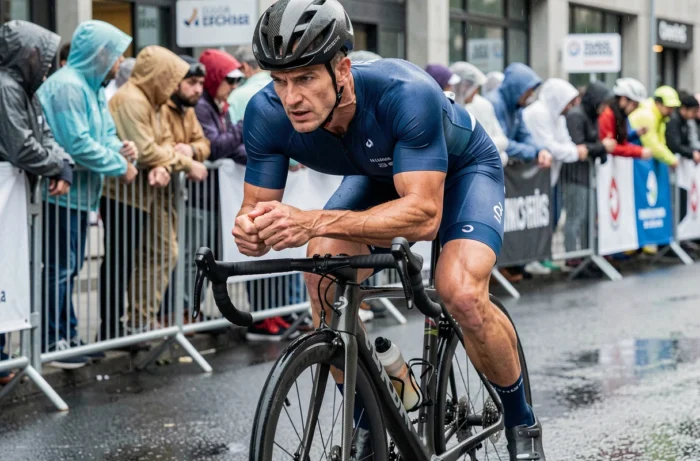
Anti-doping tests are now extended to all participants in the World Series finals. Any participant in the three final races can be tested, regardless of their ranking or profile. This extension positions ultra-trail at the same level of requirement as Olympic sports.
Why this choice? Ultra sports are attracting more and more sponsors, media, and prize money. This professionalization logically calls for a stricter anti-doping framework. Amateur runners are thus discovering protocols they had never encountered: notification of control, on-site sampling, traceability of dietary supplements.
What this means for an amateur runner
A participant using nutritional supplements must check each product. Some supplements sold online contain banned substances without clearly mentioning it on the label.
- Check the compliance of each dietary supplement with the lists of banned substances before the race
- Keep the packaging and proof of purchase for any product consumed during training
- Familiarize yourself with the control procedure to avoid stress on the day
This tightening does not only concern the UTMB. Other ultra races in France are expected to follow this trend in the coming seasons.
Ultra-trail and local coexistence: Chamonix facing event pressure
The UTMB attracts a considerable influx of runners, supporters, and spectators to the Chamonix valley every year. In 2026, the mayor of Chamonix publicly expressed wishes to evolve the event, according to L’Équipe. The central question: how to organize a global race without degrading the quality of life for residents?
A concrete example illustrates this tension. In 2026, organizers banned “group run activations” during the UTMB week. These group races organized by brands (Asics, Brooks, Altra, Saucony, and others) saturated the trails and streets of Chamonix outside of the official events.
Routes under negotiation for 2027
Negotiations are already underway for two routes of the 2027 edition, with discussions ongoing at the time of the opening of registrations. Some routes may be modified to reduce the impact on inhabited areas or fragile natural spaces.
This reality transforms the role of the organizer. Organizing an ultra-trail race is no longer just about mapping a course and placing markers. It requires negotiating with municipalities, national parks, and local resident associations. Endurance sports in the great outdoors are becoming an exercise in territorial diplomacy.
Shoes and trail equipment in 2026: trends dictated by regulatory terrain
The trail shoe market reflects these changes. Major brands (Hoka, Nike, Adidas, Brooks, Altra, Saucony) are no longer just offering a low drop or high-performance cushioning. Design now incorporates the regulatory constraints of races.
- Outsoles designed to limit erosion on technical trails, with less aggressive lugs on certain models
- Compatibility with the new mandatory equipment rules (lamp holders, safety gear attachments)
- Real-world testing on courses subject to environmental restrictions
The choice of a trail shoe now also depends on the regulations of the targeted race. A model perfect for an ultra in autonomy may not be suitable for an event where mandatory gear imposes extra weight in the pack. Tests published by specialized press are gradually incorporating these parameters.
Ultra sports are entering a phase where individual performance is no longer enough. The ability to adapt to a shifting regulatory framework, to respect the ecosystems crossed, and to coexist with host territories is now an integral part of every race.